


How does botox work? Botox, a popular treatment derived from botulinum toxin, works by temporarily blocking nerve signals to muscles, causing them to relax. This results in smoother skin and relief from various medical conditions.
- Botulinum Toxin: A powerful neurotoxin from Clostridium botulinum.
- Cosmetic Uses: Reduces wrinkles, smooths skin, and refreshes appearance.
- Medical Uses: Eases chronic migraines, excessive sweating, and muscle spasms.
- Safety: Approved by the FDA when used by skilled professionals.
Botox is not just about turning back the clock on skin aging. The science behind it has roots in medical treatment, using a toxin to achieve muscle relaxation and provide therapeutic benefits. Spa Black, a leading med spa, offers personalized Botox treatments supervised by experts to ensure safety and effectiveness.
I’m Dr. Thomas Jeneby, an Ivy League-trained, board-certified plastic surgeon with a deep understanding of how does botox work. With years of experience, I proudly provide knowledge about safe, effective Botox applications. Let’s explore its cosmetic and medical significance further.
Terms related to how does botox work:
– botox face
– does botox hurt
What is Botox?
Botox is a well-known treatment that uses a neurotoxin called botulinum toxin. This powerful substance is derived from the bacterium Clostridium botulinum. While the word “toxin” might sound intimidating, in controlled doses, Botox is safe and effective for both cosmetic and medical purposes.
A Closer Look at Botulinum Toxin
Botulinum toxin is a type of neurotoxin. Neurotoxins are substances that can alter nerve function. In the case of Botox, this alteration is beneficial—it blocks nerve signals that cause muscles to contract. By doing so, it helps relax muscles, which can smooth out wrinkles or alleviate medical symptoms like muscle spasms.
Safety and FDA Approval
The FDA has approved Botox for a variety of uses, both cosmetic and medical. This approval means it has been rigorously tested and found safe when administered by qualified professionals. The key to Botox’s safety is in its dosage and administration. When used correctly, it can offer impressive results with minimal risk.
How Botox Works
When Botox is injected into a muscle, it targets the neuromuscular junction. Here, it inhibits the release of a neurotransmitter called acetylcholine. This action prevents the muscle from contracting, leading to relaxation and a reduction in wrinkles or muscle-related symptoms.
Key Points:
– Botulinum Toxin: Derived from Clostridium botulinum, it’s a powerful neurotoxin used in Botox.
– FDA-Approved: Botox is approved for safe use in both cosmetic and medical treatments.
– Muscle Relaxation: By blocking acetylcholine, Botox causes muscles to relax, smoothing wrinkles and easing medical conditions.
In the next section, we’ll dig into the specifics of how Botox achieves these effects at the chemical level.
How Does Botox Work?
The Chemical Process
To understand how Botox works, we need to explore its action at the chemical level. Botox primarily targets the neuromuscular junction, the critical point where nerve cells meet muscle cells. Here, it blocks the release of a neurotransmitter called acetylcholine.
Acetylcholine is essential for muscle contraction. It acts as a messenger, transmitting signals from the presynaptic motor neurons to the muscles, telling them to contract. When Botox is injected, it inhibits the release of acetylcholine. This blockade prevents the muscle from receiving the signal to contract, leading to muscle relaxation.

This process is why Botox is effective for both cosmetic and medical purposes. By stopping muscles from contracting, it can smooth out facial wrinkles and ease conditions like muscle spasms or excessive sweating.
Onset and Duration of Effects
After a Botox injection, the effects don’t appear immediately. The onset typically takes 1 to 3 days as the neurotoxin begins to settle into the treated area. During this time, the muscles gradually relax, and the visible results, such as reduced wrinkles or alleviated muscle conditions, start to appear.
The duration of Botox’s effects varies but generally lasts between 3 to 6 months. Over time, the nerve endings slowly regain their ability to release acetylcholine, allowing muscle function to return. This gradual return is why regular treatments are often needed to maintain results.
Interestingly, Botox can also aid in muscle retraining. By temporarily relaxing specific muscles, it can help in correcting imbalances or overactivity, offering therapeutic benefits beyond cosmetic improvements.
In the upcoming sections, we’ll explore the diverse medical applications of Botox, including its use in treating migraines and excessive sweating.
Medical Uses of Botox
Botox isn’t just for smoothing out wrinkles. It has a range of medical uses that can significantly improve quality of life for many people. Let’s explore some of the key medical applications of Botox.
Botox for Migraines
Chronic migraines can be debilitating, affecting daily life and productivity. Botox has emerged as a treatment option for those suffering from chronic migraines, defined as having headaches on 15 or more days a month.
How does it work? Botox injections can block pain transmission by preventing the release of pain-causing chemicals in the brain. This is achieved by injecting Botox into specific areas around the head and neck, which helps in reducing the frequency and severity of migraine attacks.
Treatment is typically administered every 3 months, allowing for a sustained reduction in migraine occurrences. Many patients report a significant decrease in migraine days, offering them much-needed relief and improved daily functioning.
Botox for Hyperhidrosis
Hyperhidrosis, or excessive sweating, can be an embarrassing and uncomfortable condition. Botox provides an effective solution for managing this issue by targeting the sweat glands.
How does it work? Botox blocks the nerve signals responsible for activating sweat glands. By doing so, it reduces excessive sweating in targeted areas such as underarms, palms, and soles of the feet.
The treatment involves injecting small amounts of Botox into the affected areas, providing relief from excessive sweating for several months. This can be life-changing for individuals who struggle with hyperhidrosis, allowing them to engage in social and professional activities with confidence.
Other Medical Applications
Beyond migraines and hyperhidrosis, Botox has been approved for use in several other medical conditions:
- Overactive Bladder: Botox can help relax the bladder muscle, reducing urinary incontinence and frequency.
- Eye Problems: Conditions like strabismus (crossed eyes) and blepharospasm (uncontrolled blinking) can be treated with Botox to reduce muscle contractions.
- Neck Spasms: Known as cervical dystonia, this painful condition involves involuntary neck muscle contractions. Botox injections can alleviate the associated pain and discomfort.
- Cerebral Palsy: In children with cerebral palsy, Botox can help manage muscle stiffness and improve mobility.
In all these cases, Botox works by blocking nerve signals to muscles or glands, providing relief from symptoms and improving the patient’s quality of life.
As you can see, the medical uses of Botox are varied and impactful. In the next section, we’ll explore how Botox is used for cosmetic purposes, helping people achieve a more youthful appearance.
Cosmetic Uses of Botox
When it comes to achieving a more youthful appearance, Botox is a popular choice for reducing facial wrinkles and fine lines. Let’s break down how it works and why it’s so effective.
Botox for Facial Wrinkles
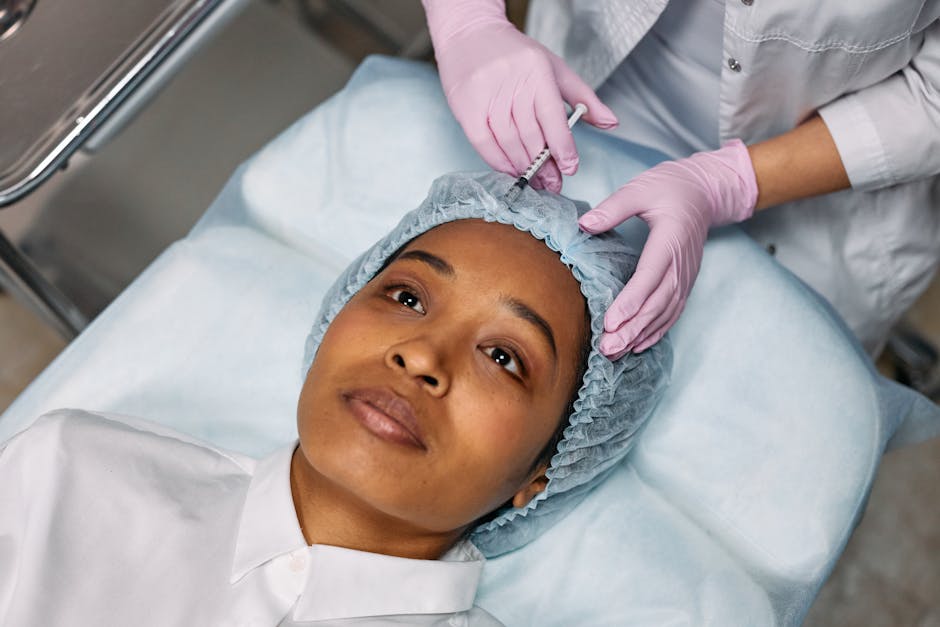
Botox is best known for its ability to smooth out wrinkles by relaxing the muscles that cause them. When injected into specific facial muscles, Botox blocks nerve signals, preventing the muscles from contracting. This results in a more relaxed, smoother appearance of the skin.
Common treatment areas include:
Crow’s Feet: These are the fine lines around the eyes that appear when you smile or squint. Botox can soften these lines, giving you a more refreshed look.
Forehead Lines: Horizontal lines across the forehead can become more pronounced with age. Botox helps to smooth these lines, creating a smoother forehead.
Frown Lines: Also known as “11s,” these are the vertical lines between the eyebrows. Botox can effectively reduce these lines, making you look less stressed or angry.
Preventative Botox
An emerging trend is the use of Botox as a preventative measure. Many younger individuals are opting for Botox not to treat existing wrinkles, but to prevent them from forming in the first place.
Why consider preventative Botox?
Muscle Relaxation: By keeping facial muscles relaxed, Botox can help prevent the formation of deep-set lines and wrinkles over time.
Scientific Evidence: Studies suggest that early use of Botox can delay the appearance of aging signs, maintaining a youthful look.
Long-term Effects: Over time, regular Botox treatments can train muscles to contract less, meaning fewer treatments might be needed as you age.
Botox’s ability to provide both immediate and preventative benefits makes it a versatile tool in the fight against aging. Whether you’re looking to reduce existing wrinkles or prevent new ones from forming, Botox offers a customizable solution custom to individual needs.
In the next section, we’ll dig into the safety and side effects of Botox, ensuring you’re well-informed before considering treatment.
Safety and Side Effects
When considering Botox, understanding safety and side effects is crucial. While Botox is generally safe, some side effects can occur.
Common Side Effects
Most side effects are mild and temporary. Here’s what you might experience:
Pain and Swelling: It’s common to feel some discomfort or notice swelling at the injection site. This usually subsides within a few days.
Bruising: Some people experience bruising, especially if blood-thinning medications or supplements like aspirin or fish oil are used before treatment.
Headache and Flu-like Symptoms: Occasionally, people report headaches or symptoms similar to a mild flu. These typically resolve quickly.
Serious Side Effects
Though rare, more serious side effects can occur and require immediate medical attention:
Muscle Weakness: Botox can sometimes cause muscle weakness away from the injection site. This is uncommon but can be serious.
Vision Problems: Blurred or double vision may happen if Botox affects muscles around the eyes.
Breathing Issues: Difficulty breathing is a severe side effect and needs urgent medical care.
Allergic Reactions: Some people might have allergic reactions, such as itching, rash, or dizziness. Seek help if these occur.
Contraindications
Certain conditions make Botox unsuitable:
Pregnancy and Breastfeeding: The effects of Botox on unborn babies or through breast milk are not well-studied. Most healthcare providers recommend avoiding Botox during these times.
Preexisting Muscle or Nerve Conditions: Conditions like myasthenia gravis or Eaton-Lambert syndrome can increase the risk of serious side effects.
Important Considerations
Before getting Botox, discuss your medical history with your doctor. This includes any allergies, medications, or previous reactions to botulinum toxin products. It’s also vital to be aware of any muscle or nerve conditions you have.
This information helps ensure that Botox is a safe option for you. Always consult with a qualified professional to minimize risks and maximize benefits.
In the next section, we’ll answer frequently asked questions about Botox, covering how long it lasts and what happens as it wears off.
Frequently Asked Questions about Botox
How long does Botox last?
Botox typically lasts 3 to 4 months. However, this can vary from person to person. Factors like your body’s metabolism, the area treated, and how often you’ve had Botox before can all affect how long the results last. Over time, with regular treatments, your muscles might “learn” to contract less. This muscle retraining can sometimes extend the time between treatments.
Where does Botox go when it wears off?
When Botox wears off, it doesn’t just disappear. The body naturally breaks down the botulinum toxin into amino acids. These amino acids are then reused by the body for other proteins. The process is safe and happens gradually, ensuring no harmful buildup in your system.
What does Botox do to the body?
Botox works by blocking nerve signals to the muscles where it’s injected. This prevents the muscles from contracting, which leads to muscle relaxation. As a result, the skin over these muscles smooths out, reducing the appearance of wrinkles. But Botox isn’t just for looks. It can also provide symptom relief for various medical conditions by relaxing overactive muscles or blocking pain signals.
In the next section, we’ll explore the medical uses of Botox, including how it helps with migraines and excessive sweating.
Conclusion
Botox has proven to be a versatile treatment, offering both cosmetic and medical benefits. By blocking nerve signals, it effectively relaxes muscles, smoothing out wrinkles and alleviating symptoms of various medical conditions. Whether you’re looking to reduce facial lines or manage chronic migraines, Botox provides a reliable solution.
At Spa Black, we are committed to delivering exceptional care and personalized treatments. Our team, led by Dr. Jeneby, ensures that each client receives expert guidance custom to their unique needs. We understand that every individual is different, and we pride ourselves on crafting Botox plans that align with your goals.
Choosing Botox with us means you’re opting for a professional experience in a welcoming environment. We stay updated with the latest techniques to ensure the highest safety and satisfaction standards. Whether you’re new to Botox or seeking a trusted provider for ongoing treatments, Spa Black is here to support your journey to a more youthful and refreshed appearance.
Explore our Botox services and let us help you achieve the results you desire. We look forward to welcoming you to Spa Black, where expert care and personalized treatments await.