


Understanding the Anatomy: Why Does Cellulite Appear on the Buttocks?
Reducing cellulite on buttocks is possible through a combination of targeted exercise, professional treatments, and lifestyle changes — even though complete elimination isn’t realistic for most people.
Here’s what actually works, fast:
- Exercise: Weighted hip thrusts, Bulgarian split squats, and glute bridges build muscle under the skin, making dimples less visible
- Professional treatments: Radiofrequency, subcision (Cellfina, Avéli), and acoustic wave therapy produce the most measurable results
- Diet & hydration: Reducing sodium, eating lean protein, and drinking at least 64 oz of water daily helps reduce fluid retention and improve skin texture
- Realistic timeline: Most people see noticeable improvement in 8–12 weeks with consistent effort; professional treatments can deliver faster, longer-lasting results
If you’ve ever Googled “how to get rid of butt dimples” at 11pm, you’re not alone. Up to 90% of women develop cellulite — including celebrities like Kim Kardashian, Cindy Crawford, and Sandra Bullock. It’s not a sign of poor health or lack of effort. It’s anatomy.
That said, wanting smoother skin is completely valid. And in April 2026, there are more effective, evidence-backed options than ever before — from gym routines to minimally invasive procedures done in under an hour.
I’m Dr. Thomas Jeneby, an Ivy League-trained, board-certified plastic surgeon based in San Antonio with over two decades of experience helping patients reduce cellulite on buttocks and achieve natural-looking body contouring results. In this guide, I’ll walk you through everything — from understanding why cellulite forms on the butt, to the treatments that are actually worth your time and money.

Basic reduce cellulite on buttocks terms:
To effectively reduce cellulite on buttocks, we first have to understand what it actually is. It isn’t just “excess fat.” In fact, even the fittest athletes often have it. Cellulite is an architectural issue involving three main players: your skin, your fat, and your connective tissue (fibrous septae).
Think of your skin like a mattress. The fibrous septae are the “springs” or cords that tether your skin to the underlying muscle. In women, these bands are typically arranged vertically, like columns. In men, they tend to have a crisscross, lattice-like structure. When fat lobules between these bands expand or when the skin becomes thinner with age, the fat pushes upward while the bands pull downward. This creates the classic “orange peel” or “cottage cheese” texture.
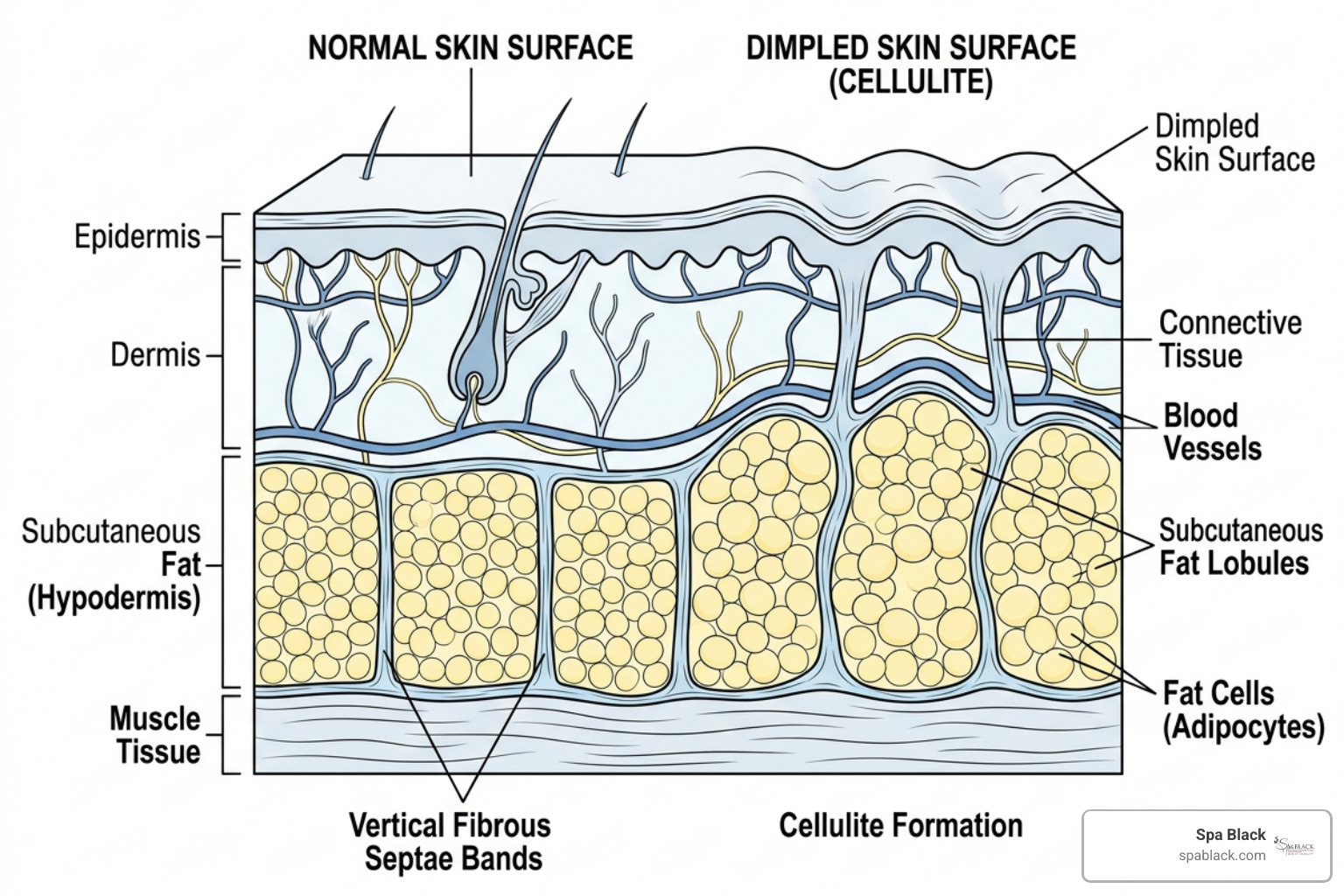
According to the Mayo Clinic’s diagnosis and treatment guide, factors like estrogen, circulation, and the natural loss of collagen play massive roles. Estrogen encourages the body to store fat in the hips and buttocks, which is why post-pubertal women are disproportionately affected.
How to Assess and Reduce Cellulite on Buttocks Severity at Home
Before you start a treatment plan, it helps to know where you stand. In clinical settings, we often use the Nürnberger–Müller Scale or the Cellulite Severity Scale (CSS). You can do a basic version of this at home:
- Grade 0: No dimpling, even when the skin is pinched.
- Grade 1: Skin looks smooth while standing, but dimples appear when you sit down or pinch the skin.
- Grade 2: Dimples are visible while standing, but disappear when you lie down.
- Grade 3: Dimples are visible whether you are standing or lying down, often accompanied by deep peaks and valleys.
Performing a “pinch test” on the outer glute or contracting your muscles in front of a mirror can help you identify if your concern is primarily cellulite or skin laxity.
Anatomical Factors and Hormonal Influence
Why the buttocks? This area is a primary storage site for subcutaneous fat in females. As we age, our bodies produce less collagen and elastin, leading to thinner skin that can no longer “hide” the fat pushing against it. Hormonal shifts — such as those during pregnancy or menopause — can further impact circulation and fluid retention, making the appearance of cellulite more pronounced. Genetics also dictate how your fibrous bands are distributed; if your mother had prominent cellulite, you are more likely to have it as well.
The Best Exercises to Reduce Cellulite on Buttocks
While exercise cannot “delete” the fibrous bands that cause cellulite, it is one of the most powerful tools for minimization. The goal here is muscle hypertrophy (growth). By building the gluteal muscles underneath the fat layer, you create a firmer foundation that stretches the skin, making dimples appear shallower and smoother.
As noted in the Honest Truth About Cellulite Exercises, high-repetition, low-weight movements often fail to provide enough stimulus. To see real change, you need progressive overload — gradually increasing the weight or intensity of your lifts.
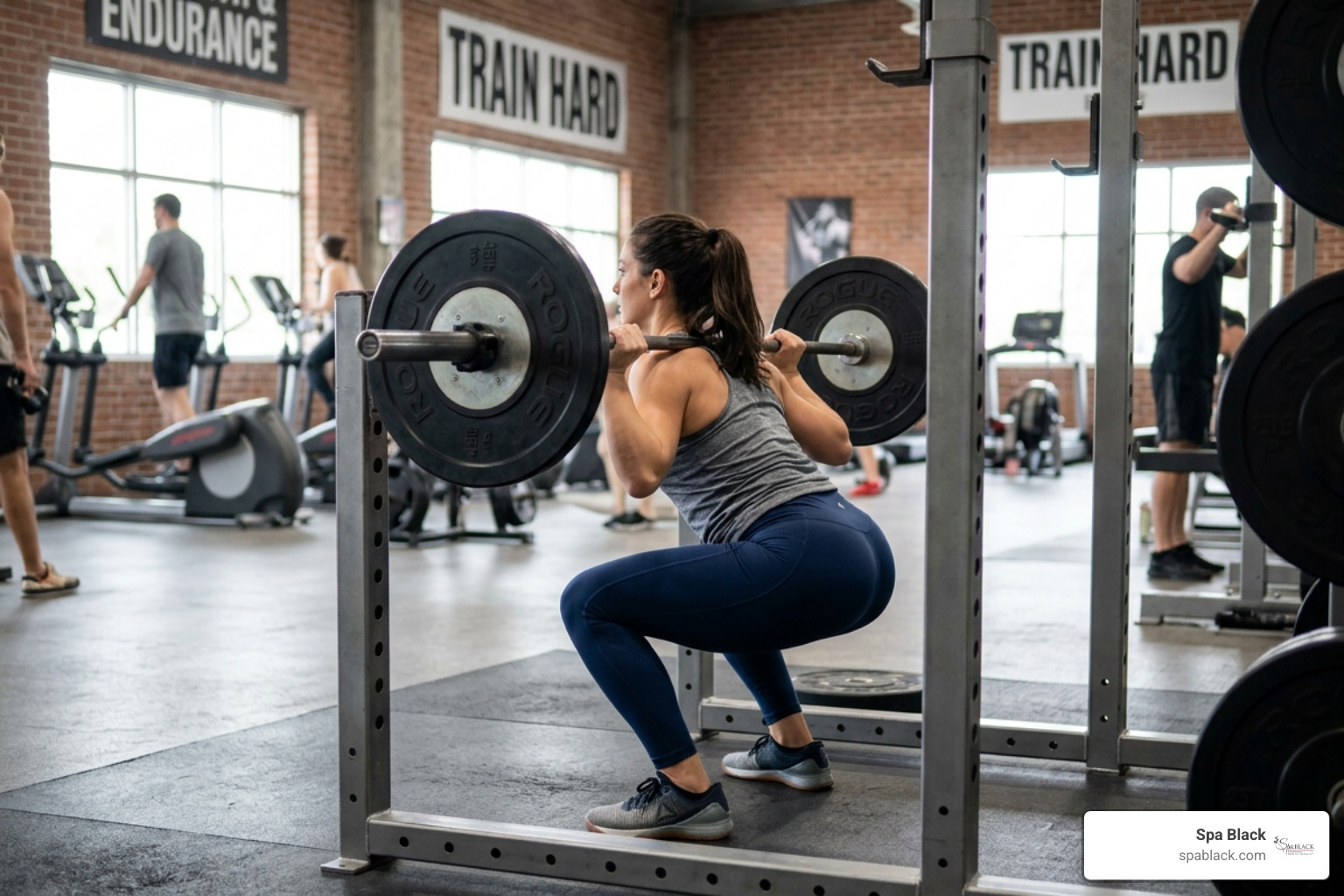
Targeted Movements to Tone and Reduce Cellulite on Buttocks
If you want to reduce cellulite on buttocks, focus on these heavy-hitting movements:
- Weighted Hip Thrusts: Often called the “king” of glute exercises, these allow for maximum activation of the gluteus maximus.
- Bulgarian Split Squats: These are incredible for creating muscle density and “lifting” the area where the glute meets the hamstring.
- Romanian Deadlifts (RDLs): Excellent for tightening the posterior chain and improving skin tension.
- Glute Bridges & Pop Squats: These add metabolic stress and help with overall gluteal shape.
Aim for 3 sets of 10–12 reps for weighted moves, ensuring you are pushing close to failure. Consistency is key; you’ll likely need 8 to 12 weeks of dedicated training to notice a shift in skin texture.
The Role of Cardio and HIIT
While strength training builds the “filler,” cardio helps manage the “cover.” High-Intensity Interval Training (HIIT) is particularly effective for fat oxidation and improving circulation. Better blood flow means better lymphatic drainage, which reduces the fluid retention that can make cellulite look “puffy.” A caloric deficit, achieved through a combination of diet and cardio, can reduce the overall fat layer, making it harder for fat cells to bulge through the septae.
Professional Treatments for Lasting Smoothness
Sometimes, diet and exercise aren’t enough to tackle the structural bands. That’s where professional med spa treatments come in. At Spa Black, we focus on technologies that either thicken the skin or release the tension of those fibrous bands.
Minimally Invasive Procedures: Subcision and Beyond
For those with deeper, “Grade 2 or 3” dimples, we often recommend subcision. This involves manually or mechanically releasing the tight fibrous bands that pull the skin down.
- Cellfina: This FDA-cleared, vacuum-assisted subcision treatment targets the primary structural cause of cellulite. Clinical studies show a 93% satisfaction rate at one year, with results lasting three years or longer. You can learn more about Cellfina in San Antonio at our clinic.
- Avéli: A newer, single-use device that allows us to identify and release specific bands with high precision. In clinical trials, 95% of subjects achieved significant reduction in cellulite severity.
| Feature | Radiofrequency | Subcision (Cellfina/Avéli) |
|---|---|---|
| Invasiveness | Non-invasive | Minimally invasive |
| Mechanism | Collagen stimulation/Heat | Physical release of bands |
| Sessions | 6–8 typically | Single session |
| Downtime | None | 24–72 hours |
| Best For | Skin laxity & mild dimpling | Deep, structural dimples |
What to Expect: Risks, Costs, and Recovery
When you choose to reduce cellulite on buttocks professionally, it’s important to have realistic expectations.
- Risks: For non-invasive treatments, risks are minimal (temporary redness). For subcision, expect bruising, soreness, and minor swelling for a few days.
- Costs: In 2026, non-invasive sessions typically range from $200–$600 per session. Minimally invasive procedures like Avéli or Cellfina can range from $3,000 to $6,000 depending on the area’s size.
- Insurance: Because these are cosmetic procedures, they are rarely covered by insurance. However, we offer financing options like CareCredit to make treatment accessible.
Lifestyle Factors: Diet, Hydration, and Habits
Your daily habits are the foundation upon which all other treatments sit. If you are dehydrated or eating a high-sodium diet, your cellulite will likely look worse due to fluid retention and inflammation.
According to Cleveland Clinic’s experts, a diet rich in lean proteins, whole grains, and healthy fats supports skin health.
- Hydration: Aim for at least 64 ounces of water daily. Hydrated skin is more supple and resilient, which helps hide underlying imperfections.
- Sodium Reduction: Salt causes the body to hold onto water. When fat cells are surrounded by excess fluid, they bulge more aggressively against the skin.
- Smoking Cessation: Smoking impairs circulation and destroys collagen, which is the fastest way to make cellulite look more prominent.
- Alcohol: Limit intake, as alcohol can dehydrate the skin and contribute to empty calorie consumption.
Frequently Asked Questions about Butt Cellulite
Can you completely eliminate cellulite on the buttocks?
The honest answer is: for most people, no. Because it is a structural issue involving how your skin is attached to your muscle, “curing” it completely is nearly impossible. However, you can absolutely reduce cellulite on buttocks to the point where it is barely noticeable through a combination of muscle building and professional band release.
How long do results from professional treatments last?
It depends on the method. Radiofrequency results require maintenance every few months. However, subcision treatments like Cellfina and Avéli offer much longer-lasting results. Cellfina results have been documented to last over three years, as the released bands do not typically grow back in the same way.
Does weight loss make butt cellulite look worse?
It can. If you lose weight very rapidly (more than 1–2 pounds per week), you may end up with skin laxity. Loose skin doesn’t have the tension required to smooth out dimples, which can make cellulite look more pronounced. This is why we emphasize “toning” and muscle preservation during any weight loss journey.
Conclusion
At Spa Black, we believe that feeling comfortable in your own skin is a powerful thing. Whether you choose to embrace your curves or seek out ways to reduce cellulite on buttocks, we are here to provide the expert guidance you need. Under the leadership of Dr. Jeneby, our team provides a personalized approach to San Antonio cellulite treatments, ensuring you get the right combination of technology and care for your specific body type.
Ready to see what’s possible? Schedule a consultation with us today and take the first step toward a smoother, more confident you.