


Understanding the Skin Tightening Revolution
Skin tightening procedures are non-surgical treatments that use energy-based technologies to stimulate collagen production and improve skin firmness. These procedures offer solutions for those experiencing skin laxity but aren’t ready for surgical intervention.
| Key Skin Tightening Procedures | How They Work | Best For | Sessions Needed |
|---|---|---|---|
| Ultrasound (Ultherapy) | Deep tissue heating up to 5mm | Face, neck, chest | 1 session, results in 2-6 months |
| Radiofrequency (Thermage) | Heating collagen to trigger renewal | Face, body | 1-6 sessions depending on device |
| Laser Treatments | Surface or deep collagen stimulation | Face, neck, arms | 3-5 sessions typically |
| RF Microneedling | Combined microneedles + heat energy | All skin types, deeper concerns | 2-6 sessions for optimal results |
As we age, our skin naturally loses collagen and elastin—the proteins responsible for skin’s youthful bounce and firmness. This decline accelerates after age 30, leading to sagging jowls, loose neck skin, and crepey texture.
While moisturizers and creams can temporarily plump the skin’s surface, they can’t penetrate deeply enough to address true laxity. That’s where modern skin tightening technologies make a difference.
More than 188,000 Americans received some type of skin tightening procedure in 2020, with results lasting anywhere from 1-3 years with proper skincare maintenance. Most patients experience minimal downtime, making these treatments increasingly popular alternatives to surgical facelifts.

I’m Dr. Thomas Jeneby, a board-certified plastic surgeon with over two decades of experience performing both surgical and non-surgical skin tightening procedures at Spa Black in San Antonio. My approach combines the latest technology with personalized treatment plans to deliver natural-looking results for my patients.
Know your Skin tightening procedures terms:
– Advanced skincare treatments
– Improve skin texture
Why Skin Gets Loose — The Biology of Laxity

Ever caught yourself gently pulling back your skin in the mirror, wishing it would just stay put? Trust me, you’re in good company. Understanding the “why” behind sagging skin is your first step toward actually doing something about it.
The main culprits behind loose skin are two essential proteins that gradually decline as we age: collagen and elastin. Think of collagen as your skin’s scaffolding, providing structure and firmness, while elastin is like your skin’s memory foam, allowing it to stretch and bounce back. Here’s the reality check – after 30, your collagen production drops by about 1% every year. By 50, most of us have lost around 30% of our collagen reserves.
“What we’re seeing with aging skin is essentially a gradual loss of collagen and elastin that leads to lost midface volume, sunken cheeks, sagging skin, and more prominent jowls,” says Dr. Jeneby. “While this is a natural part of aging, certain factors can put this process on fast-forward.”
Several factors accelerate this skin-loosening process. UV exposure is the biggest offender, responsible for up to 90% of visible skin aging. Smoking is another major culprit, decreasing collagen production while constricting blood vessels that nourish your skin. Weight fluctuations stretch skin beyond its ability to bounce back, while pregnancy combines hormonal changes with abdominal stretching. Your genetic makeup determines your natural collagen density and breakdown rate, and a nutrient-poor diet deprives your body of the building blocks needed for collagen production.
According to scientific research, the breakdown of these structural proteins doesn’t just affect appearance – it fundamentally changes how your skin responds to stress and environmental factors.
Internal & External Factors You Can Control
While we can’t stop time completely, we can certainly slow down its effects on our skin by focusing on factors within our control:
Daily UV protection with broad-spectrum SPF 30+ is non-negotiable – think of it as your skin’s insurance policy. An antioxidant-rich diet and skincare routine helps neutralize the free radicals that break down collagen. Adding retinoids to your regimen stimulates collagen production and cell turnover, while proper hydration keeps skin looking plumper and more resilient. Don’t underestimate the power of quality sleep, which is essential for cellular repair and collagen synthesis. Finally, finding effective stress management techniques helps prevent chronic inflammation that accelerates aging.
“I’ve seen dramatic differences between patients who commit to these preventative measures and those who don’t,” notes Dr. Jeneby. “Those who do not only delay the need for interventions but also see significantly better results from any skin tightening procedures they eventually choose.”
When Creams Aren’t Enough
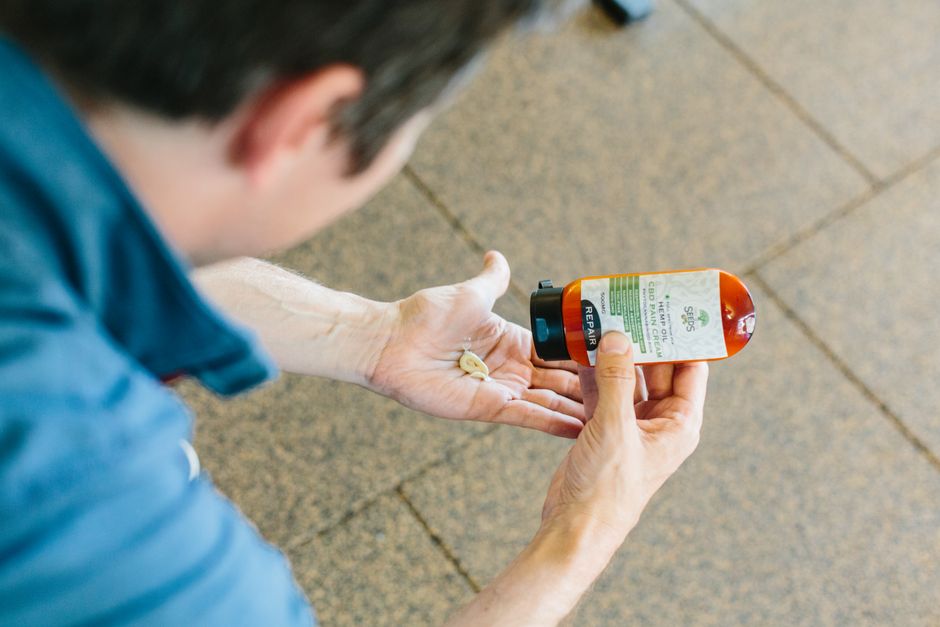
Let’s be real—if creams could truly lift sagging skin, surgical facelifts would have disappeared long ago. The honest truth that dermatologists consistently confirm is that no topical product can penetrate deeply enough to significantly lift loose skin.
That said, quality skincare does play an important supporting role in your skin’s health. Moisturizers temporarily plump the skin by improving hydration. Retinoids like tretinoin stimulate modest collagen production over time, with scientific research confirming their benefits. Peptides provide building blocks for collagen synthesis, while vitamin C is essential for collagen production and provides antioxidant protection. Niacinamide improves your skin barrier function, and alpha hydroxy acids remove dead skin cells to improve product penetration.
The limitation? These ingredients work primarily at the epidermis (your skin’s surface layer), while true skin laxity happens in the deeper dermis. As one Cleveland Clinic dermatologist puts it, “Topical products can improve skin texture and tone, but they simply can’t replicate the lifting effect of energy-based treatments that reach the dermis.”
When your mirror test reveals more than minor laxity—or when you’ve given your high-quality skincare regimen a fair chance without seeing the results you want—it’s time to explore professional skin tightening procedures that can deliver more significant results.
Skin Tightening Procedures: Non-Surgical Options
The past two decades have seen remarkable advancements in non-surgical skin tightening technologies. At Spa Black, we offer a comprehensive range of FDA-cleared options to address various concerns and skin types.
How Skin Tightening Procedures Work

There’s something almost magical about how skin tightening procedures work. Think of it as waking up your skin’s natural repair systems through the careful application of heat.
All these methods share a simple principle: delivering controlled thermal energy to your dermis (the skin’s middle layer) where collagen lives. This gentle heating immediately tightens existing collagen fibers while simultaneously triggering your body to produce fresh collagen (a process called neocollagenesis).
“The sweet spot happens between 40-45°C,” explains Dr. Jeneby with a smile. “It’s like making the perfect cup of tea—too cool and nothing happens, too hot and you’ll burn the leaves… or in this case, your skin.”
Our advanced devices monitor tissue temperature in real-time, ensuring you get optimal results safely. Different technologies reach different depths—from superficial (1-2mm) to deep (up to 5mm)—allowing us to customize treatments based on your specific needs, the area being treated, and your comfort preferences.
Ultrasound (Ultherapy-style)
If you’re looking for the deepest-reaching non-surgical option, ultrasound treatments might be your answer. These treatments can reach an impressive 5mm below your skin surface—the same tissue layers addressed in surgical facelifts, but without a single incision.
During treatment, the device delivers precise pulses of ultrasound energy, creating tiny thermal coagulation points while leaving surrounding tissue untouched. Your body responds by contracting existing collagen and creating new collagen fibers over time.
Ultrasound treatments excel at brow lifting, jawline definition, neck tightening, and upper chest rejuvenation. A typical session takes 30-90 minutes, and while you’ll feel brief moments of heat, most patients find it quite tolerable.
What makes this approach unique is its precision. “We can actually see the tissue layers on a screen before delivering energy,” Dr. Jeneby explains. “It’s like having a GPS for your skin—we know exactly where we’re working.”
Most patients achieve their desired results with just one treatment, though results develop gradually over 2-6 months as your collagen rebuilds. The payoff? Natural-looking improvements that typically last 1-2 years.
For more details about our various energy-based options, visit our face and body lasers page.
Radiofrequency & RF Microneedling
Radiofrequency (RF) treatments have stood the test of time since Thermage pioneered the technology in 2002. What makes RF particularly valuable is that it’s completely “colorblind”—safe for all skin tones with minimal risk of pigmentation changes.
“This makes RF treatments perfect for our diverse San Antonio community,” notes Dr. Jeneby. “Everyone deserves access to effective skin tightening procedures without worrying about their skin tone.”
At Spa Black, we offer two main types of RF treatments:
Traditional RF treatments (like Thermage and Exilis) deliver energy through the skin’s surface. These comfortable treatments come with built-in cooling, virtually no downtime, and results that appear gradually over 2-3 months. Depending on the device and treatment area, you might need 1-6 sessions for optimal results.
RF Microneedling (like Morpheus8 and Profound) takes things a step further by combining tiny needles with RF energy. The needles deliver RF directly into your dermis, providing more dramatic results for moderate laxity and textural concerns. While there’s mild downtime (1-3 days of redness and possible bruising), most patients find the improved results well worth it.
One of our patients, Sarah, couldn’t stop smiling at her follow-up appointment: “After two Morpheus8 treatments, my friends kept asking if I’d lost weight or changed my makeup. My jawline is noticeably more defined, and my skin texture has improved dramatically. The recovery was so much easier than I expected—just some redness for a day or two.”
Learn more about our popular Morpheus8 treatments at Spa Black.
Laser & Fractional CO₂
Laser treatments use focused light energy to stimulate collagen production, with options ranging from gentle to more intensive.
Non-ablative lasers work by heating the dermis without damaging your skin’s surface. This means minimal downtime (just 1-2 days of redness) but also requires patience—you’ll see gradual improvement over 3-6 months and typically need 3-5 sessions.
Ablative lasers take a more aggressive approach by removing the outer skin layer. While this means longer downtime (5-7 days), you’ll see more dramatic improvement in a single session. These treatments address both laxity and surface concerns like wrinkles and scars.
Fractional CO₂ offers a brilliant middle ground. By creating a precise grid pattern of micro-injuries while leaving bridges of healthy tissue intact, it delivers impressive results with manageable recovery time (about 3-5 days).
“Fractional CO₂ is like getting the best of both worlds,” explains Dr. Jeneby. “It’s particularly effective for patients who want to address skin laxity while also tackling surface concerns like fine lines and sun damage.”
For comprehensive rejuvenation with manageable recovery, many of our patients choose our DOT Fractional CO2 Therapy.
IPL & IPL-RF Combos
While Intense Pulsed Light (IPL) isn’t primarily designed for skin tightening, it offers mild tightening benefits while tackling pigmentation, redness, and overall skin quality.
Unlike lasers that emit a single wavelength, IPL delivers multiple light wavelengths simultaneously. When combined with RF energy in dual-technology devices, you get improved tightening benefits alongside other improvements.
IPL works beautifully for mild skin laxity, sun damage, redness, and overall skin rejuvenation. However, it’s important to note that IPL generally isn’t recommended for darker skin tones (Fitzpatrick types V-VI) due to pigmentation risks. At Spa Black, we carefully assess each patient’s skin type to recommend the safest, most effective options.
For overall skin rejuvenation with a touch of tightening, our IPL treatments deliver excellent results with minimal downtime.
At-Home Devices & Topical Boosters
The market is filled with at-home skin tightening gadgets claiming professional results. While these can’t match in-office treatments, some provide modest benefits between professional sessions.
Popular options include handheld RF devices, LED light therapy, microcurrent stimulation, and ultrasound massage tools. Dr. Jeneby offers a practical perspective: “I tell my patients that at-home devices are like doing maintenance between car services—they help maintain results but don’t replace professional treatments. The key is managing expectations and using them consistently.”
For best results, combine at-home devices with medical-grade skincare containing peptides to support collagen production, vitamin C for antioxidant protection, retinoids to stimulate cell turnover, and hyaluronic acid for hydration.
When used as part of a comprehensive approach, these home care options can help extend the results of your professional skin tightening procedures.
Skin Tightening Procedures vs. Surgical Facelift
How do non-surgical options stack up against traditional facelifts? Here’s the honest truth:
Non-surgical treatments typically deliver a 20-30% improvement in skin laxity with natural-looking, gradual results. They require minimal to no downtime, cost less ($600-$3,000 per session), and leave no scars. Results typically last 1-3 years and can be maintained with periodic touch-ups.
In contrast, surgical facelifts provide a more dramatic 50-70% improvement with immediate results. They require 2-3 weeks of recovery, cost more ($8,000-$15,000+), but last 7-10+ years. While they require incisions, these are usually well-hidden.
“The ideal approach often combines both,” explains Dr. Jeneby. “Many of my surgical patients use non-invasive treatments to maintain their results, while others start with non-surgical options and transition to surgery when those no longer provide sufficient improvement.”
As a plastic surgeon offering both surgical and non-surgical options, Dr. Jeneby provides unbiased guidance based on your unique needs and goals. After all, the best treatment is always the one that’s right for you.
What to Expect: Candidacy, Sessions, Results & Safety

Who Makes an Ideal Candidate?
Let’s talk about who benefits most from these transformative treatments. The sweet spot for skin tightening procedures is that “not-quite-ready-for-surgery” stage many of us find ourselves in. You know the one—where you notice changes in the mirror, but don’t need or want the commitment of a surgical solution.
“The earlier you start addressing skin laxity, the better your results will be,” Dr. Jeneby often tells patients during consultations. “Many of my patients in their 30s and 40s are now using these treatments preventatively, before significant sagging occurs.”
You’re likely an excellent candidate if you have mild to moderate skin laxity and still maintain good natural elasticity. Think of it as catching the problem while your skin still remembers how to bounce back. The ideal candidate also maintains realistic expectations—these treatments deliver impressive improvements but won’t replicate surgical results.
Your health matters too. Those in good overall health typically respond best to these treatments. If you’re pregnant or breastfeeding, you’ll need to postpone your skin tightening procedures until later. The same goes for anyone with active skin infections, certain autoimmune conditions, or a history of unusual scarring. Recently used Accutane? You’ll need to wait at least six months before pursuing these treatments.
During your consultation at Spa Black, we’ll carefully review your medical history and assess your skin condition to create a personalized treatment plan that addresses your unique concerns safely and effectively.
Treatment Timeline & Number of Sessions
“When will I see results?” This might be the question we hear most often, and I completely understand why—patience isn’t easy when you’re investing in yourself!
The truth is, these treatments work with your body’s natural healing processes, which means results unfold over time. With ultrasound treatments like Ultherapy, you’ll notice gradual improvement over 2-6 months after just a single session. It’s like watching a flower bloom in slow motion as your collagen rebuilds.
Radiofrequency treatments often provide a lovely “two-phase” result—many patients experience immediate tightening (think of it as the “shrink-wrap effect”) followed by progressive improvement over 2-3 months as collagen regenerates. For optimal results, plan on 2-6 sessions depending on the specific technology.
With laser treatments, you might notice changes within weeks, but the real magic happens over 3-6 months. Most patients undergo 3-5 sessions spaced several weeks apart for their best outcome.
RF Microneedling creates visible improvement starting around the 3-week mark, with continued improvement for up to 6 months. A series of 2-3 treatments spaced 4-6 weeks apart typically delivers the most dramatic change.
“The gradual nature of these treatments is actually a significant advantage,” explains Dr. Jeneby. “Results look natural because they develop progressively, avoiding that ‘obvious work done’ appearance many patients want to avoid.”
For most skin tightening procedures, maintenance treatments every 12-24 months help sustain your refreshd appearance. Think of it as regular upkeep, similar to how you maintain your hair color.
Recovery, Side Effects & Risk Management
One of the biggest perks of non-surgical skin tightening procedures is the minimal downtime. Most of our patients return to their normal activities immediately or within 24 hours—no need to take weeks off work or cancel social plans.
After treatment, temporary redness is common but typically subsides within a few hours to two days. Mild swelling might stick around for 1-3 days, particularly after more intensive treatments like RF microneedling. Some patients also experience tingling or numbness that resolves quickly, usually within hours.
“Safety is our absolute top priority at Spa Black,” Dr. Jeneby emphasizes. “All our treatments are performed by highly trained professionals using FDA-cleared devices with sophisticated safety features.”
More significant side effects are rare when treatments are performed by qualified providers. Burns are extremely uncommon with proper technique, and temporary nerve irritation resolves without intervention. Pigmentation changes can occur, particularly in darker skin tones, which is why we carefully assess each patient’s Fitzpatrick skin type before recommending specific treatments.
For your smoothest recovery, we recommend avoiding direct sun exposure for at least a week post-treatment. Apply broad-spectrum SPF 30+ daily (honestly, you should be doing this anyway!), stay well-hydrated, and follow all post-treatment instructions provided by your specialist.
For more intensive treatments like RF microneedling or fractional lasers, we might recommend compression garments or specialized skincare products during your initial recovery period. These simple steps can significantly improve your comfort and results.
Maximizing & Prolonging Results
The results of your skin tightening procedures aren’t just about what happens in our office—your daily habits play a huge role in how long those results last and how dramatic they appear.
Maintaining a stable weight is crucial. Weight fluctuations stretch your skin and can compromise both its natural elasticity and your treatment results. If weight loss is among your goals, consider achieving your target weight before pursuing skin tightening treatments.
Sun protection isn’t just good advice—it’s essential for preserving your investment. Daily broad-spectrum SPF 30+ prevents the collagen breakdown that leads to sagging in the first place. Think of sunscreen as your skin’s best friend.
Your skincare routine matters too. Medical-grade products containing retinoids stimulate collagen production, while peptides provide building blocks for new collagen. Antioxidants fight the free radicals that break down skin structure, and growth factors support cellular renewal. At Spa Black, we can recommend the perfect products to complement your treatments.
Your overall lifestyle choices affect your skin more than you might realize. Adequate hydration keeps skin plump and healthy, while balanced nutrition provides the vitamins and minerals needed for collagen production. Quality sleep gives your body time to repair, and avoiding smoking prevents the destruction of existing collagen.
“Think of skin tightening as part of a comprehensive approach to aging well,” suggests Dr. Jeneby. “The best results come from addressing all aspects of facial aging—skin quality, volume, and laxity.”
Many of our patients achieve their most stunning changes by combining different modalities. For instance, using fillers to restore volume loss while simultaneously tightening the skin creates a more youthful appearance than either treatment alone could achieve.
At Spa Black, we’re committed to helping you look and feel your best through personalized treatment plans that evolve with your changing needs. Learn more about our comprehensive facial rejuvenation services and find how we can help you achieve your aesthetic goals.
Costs & Choosing the Right Provider
Investing in skin tightening procedures is exactly that—an investment in yourself. At Spa Black, we believe in transparency about what these treatments cost and what factors influence pricing.
Most of our skin tightening procedures range from $600-$3,000 per session, with the final price depending on several key factors. The technology used makes a significant difference (ultrasound treatments typically cost more than radiofrequency, for instance), as does the size of the treatment area. Treating just your jawline will naturally cost less than addressing your entire face and neck.
“I’ve had patients who initially focus solely on finding the lowest price,” Dr. Jeneby shares with a smile, “but they often return after disappointing results elsewhere. Skilled providers might seem more expensive initially, but they typically achieve better results in fewer sessions—making the total investment more economical in the long run.”
Geographic location plays a role too. Treatments in major metropolitan areas like San Antonio typically cost more than in smaller markets, reflecting the higher operating costs and expertise available. And of course, the provider’s experience level factors into pricing—just as you’d expect a seasoned chef to command higher prices than a novice.
Since these treatments are considered cosmetic, insurance typically doesn’t cover them. However, at Spa Black, we offer several financing options to help make your skin tightening journey more accessible. Many patients find that breaking the cost into manageable monthly payments fits comfortably within their budget.
Provider Vetting Checklist

Choosing who performs your skin tightening procedures might be even more important than selecting the procedure itself. After all, the most advanced technology in unskilled hands won’t deliver the results you’re hoping for.
When evaluating potential providers, start by confirming their credentials. Is the overseeing physician board-certified in dermatology, plastic surgery, or a related specialty? This certification ensures they’ve undergone rigorous training and testing in their field. At Spa Black, Dr. Jeneby’s board certification in plastic surgery means you’re receiving care from someone who understands facial anatomy at the deepest level.
Experience matters tremendously. Don’t hesitate to ask how long they’ve been performing the specific procedure you’re considering and approximately how many they’ve completed. A provider who has performed hundreds of treatments will have encountered various skin types and concerns, developing the nuance that comes only with experience.
“I always encourage potential patients to look through our before and after gallery,” Dr. Jeneby explains. “Particularly, look for patients who resemble you in age, concerns, and skin type. This gives you the most realistic preview of your potential results.”
Verify that the practice uses FDA-cleared devices with current technology. Some practices try to extend the life of older devices well beyond their prime, which can impact both results and safety.
Your consultation experience speaks volumes about the practice. A thorough provider will take time to assess your skin, discuss your expectations, and explain various treatment options—not just push whatever device they’re promoting that month. They should also provide a detailed aftercare plan, showing they care about your results beyond just the treatment day.
“At Spa Black, we pride ourselves on transparency,” says Dr. Jeneby. “We want our patients to feel completely informed and comfortable with their treatment decisions.”
For more information about our approach to personalized care, explore our facial rejuvenation services.
Safety Red Flags & When to Walk Away
Not all med spas are created equal, and spotting red flags early can save you from disappointing results—or worse, complications. Trust your instincts if something doesn’t feel right.
Be wary of dramatically discounted prices. While everyone loves a good deal, quality skin tightening procedures require significant investment in equipment, training, and time. When prices seem too good to be true, corners are likely being cut somewhere—perhaps in the technology, the provider’s training, or the time devoted to your treatment.
Medical oversight is non-negotiable. Even though these treatments are non-surgical, they’re still medical procedures that require proper training and supervision. If a facility doesn’t have a physician overseeing treatments (even if they’re not performing them directly), that’s a major concern.
High-pressure sales tactics have no place in medical aesthetics. Reputable providers like Spa Black give you time to consider your options without pushing you to commit on the spot. If you feel rushed or pressured during your consultation, consider it a warning sign.
Be skeptical of providers who promise dramatic, facelift-like results from non-surgical treatments. While today’s technologies can deliver impressive improvements, honest providers will be clear about limitations. Anyone promising to make you look 20 years younger with a single non-surgical treatment is setting unrealistic expectations.
“If a provider doesn’t take time to review your medical history and assess your skin before recommending treatments, that’s a huge red flag,” Dr. Jeneby cautions. “Each patient’s skin is unique, and treatments should be customized accordingly.”
At Spa Black, we believe an informed patient is our best patient. We’ll never rush you through a consultation or pressure you into treatments you don’t need. Your safety and satisfaction are simply too important to compromise.
Frequently Asked Questions about Skin Tightening Procedures
How long do results last and will I need maintenance?
When patients invest in skin tightening procedures, one of their biggest questions is about longevity. The truth is, results typically last 1-3 years, but this varies based on several factors.
Your results depend largely on the specific technology used, your body’s natural aging process, and lifestyle choices. Those diligent about sun protection, maintaining stable weight, and following a quality skincare regimen often enjoy longer-lasting results.
“I like to explain collagen stimulation as a long-term investment in your skin’s health,” says Dr. Jeneby. “Each treatment builds upon previous ones, creating a foundation of improvement that develops over time.”
Most of our patients benefit from maintenance sessions every 12-24 months. These “touch-up” treatments aren’t starting from scratch—they’re reinforcing and enhancing the collagen framework you’ve already built. Many patients tell us they notice each maintenance session provides more dramatic and longer-lasting results than the last.
Can Skin Tightening Procedures be combined with fillers or CoolSculpting?
Absolutely! In fact, I often recommend combination approaches for more comprehensive rejuvenation. Think of it this way—aging affects our faces in multiple ways, so addressing just one aspect may leave the overall appearance unbalanced.
Many of our most satisfied patients combine skin tightening procedures with complementary treatments. For example, pairing skin tightening with dermal fillers addresses both skin laxity and volume loss simultaneously. Adding neurotoxins like Botox reduces dynamic wrinkles while your skin quality improves. For body treatments, combining CoolSculpting with skin tightening eliminates fat deposits while ensuring the overlying skin remains firm and smooth.
“At Spa Black, we specialize in creating personalized treatment plans that combine complementary technologies,” explains Dr. Jeneby. “This multi-modal approach allows us to address all aspects of aging in harmony, creating more natural-looking results.”
Timing matters with combined treatments—some work beautifully together in the same session, while others need to be spaced apart for optimal safety and results. During your consultation, we’ll craft a treatment sequence specifically designed for your needs and recovery preferences.
Who should avoid these treatments altogether?
While skin tightening procedures are remarkably safe for most people, they aren’t right for everyone. Your safety is our priority, which means being straightforward about who should consider alternative options.
Pregnant or breastfeeding women should postpone treatments until after this special time in their lives. Those with active skin infections, open wounds, or certain autoimmune disorders affecting healing should also wait until these conditions resolve. If you have an implanted electrical device like a pacemaker, some radiofrequency treatments might not be suitable for you.
Patients with a history of abnormal scarring or keloids need careful evaluation before proceeding. And sometimes, those with severe skin laxity might benefit more from surgical options than non-surgical treatments.
“Honesty is essential in cosmetic medicine,” Dr. Jeneby emphasizes. “If I believe a patient won’t see significant benefits from non-surgical options, I’ll recommend alternatives rather than proceeding with a treatment that won’t meet their expectations.”
This commitment to transparency is why so many San Antonio residents trust Spa Black for their aesthetic needs. We’ll never recommend a treatment that isn’t right for you, even if it means suggesting you wait or consider different options altogether.
Conclusion & Next Steps
The world of non-surgical skin tightening procedures is constantly evolving, bringing us more effective ways to tackle skin laxity without going under the knife. Whether you’re drawn to the deep-penetrating power of ultrasound, the versatility of radiofrequency, the comprehensive benefits of lasers, or a customized combination approach—today’s technologies can deliver visible improvements with minimal disruption to your daily life.
What makes Spa Black special in this landscape? It’s our medical foundation. As a plastic surgeon-owned med spa, we bring a surgeon’s precision and expertise to every non-surgical treatment we offer. This unique perspective ensures you receive care that’s not only effective but also grounded in sound medical principles.
“Many med spas can offer skin tightening technologies, but at Spa Black, we bring something different to the table,” Dr. Jeneby explains with a warm smile. “We don’t just provide isolated treatments—we see the complete picture of facial aging and create personalized rejuvenation plans that might combine several approaches for the best possible outcome.”
When you’re ready to explore your options, we’d love to welcome you for a consultation at our San Antonio location. This relaxed, informative visit gives us the chance to:
- Take a close look at your skin’s current condition
- Listen carefully to what bothers you and what you hope to achieve
- Recommend treatment options custom to your specific concerns
- Design a customized plan that fits your lifestyle and budget
- Give you honest, straightforward information about costs and the results you can realistically expect
The journey to firmer, more youthful skin isn’t about chasing trends—it’s about finding expert guidance from professionals who understand both the art and science of skin rejuvenation. Our team is passionate about helping you look like yourself, just refreshed and revitalized.
Ready to take the next step? Visit our facial rejuvenation services page to find our comprehensive approach to skin tightening and rejuvenation.
Your best skin isn’t in the past—it’s waiting to be revealed. Let us help you bring it to light.